Technology shapes choices. Arts shapes what has value.
Innovations are not neutral: the products, services, methods and ways of working we introduce carry choices about what matters, who benefits and how people act. They can reshape behaviours, preferences and cultural values. Technology is part of this picture: its design also embeds assumptions and priorities. TAH examines these connections through technological, artistic, humanities and social-science knowledge.
Exploring this terrain early can reveal overlooked needs and barriers to adoption, strengthen your project’s relevance and expose new sources of value. It creates a better basis for positive impact and a potential competitive advantage.
What you take away. What it helps you do.
Clarify who your project serves, what makes it valuable and where it could create meaningful impact. Facilitated discussion, TAH Cards and TAH Prism App help you question assumptions and uncover overlooked opportunities. You leave with a completed canvas, a sharper project brief and priorities to test—for your next pitch, proposal or design decision.
A stronger value proposition
Clarify the need, who benefits and why your idea matters. Explain its value more convincingly to users, communities and partners.
A clearer route to impact
Identify intended benefits, possible unintended effects and cultural conditions affecting adoption. Use them to refine your design criteria and next steps.
Market and differentiation
Identify potential users, customers and alternatives. Define what to test to assess demand, estimate market size and explore a potential competitive advantage.
Who is the workshop for?
For people at any career stage who want to examine a real idea, project or open question from new perspectives. Recommended age: 16+. No previous experience with AI, programming or transdisciplinary work is needed.
Students and researchers
Undergraduate, master’s and PhD students, and researchers developing a thesis, research question, study or grant proposal.
Innovators and entrepreneurs
Founders, makers, product and service teams, and innovators in businesses or public institutions exploring a new idea, prototype or challenge.
Artists and cultural practitioners
Artists, designers and cultural workers developing an artwork, creative practice, exhibition or programme and exploring its meanings and wider effects.
Teachers and educators
Teachers, lecturers and learning designers developing a teaching format, educational programme or new approach to a challenge in their practice.
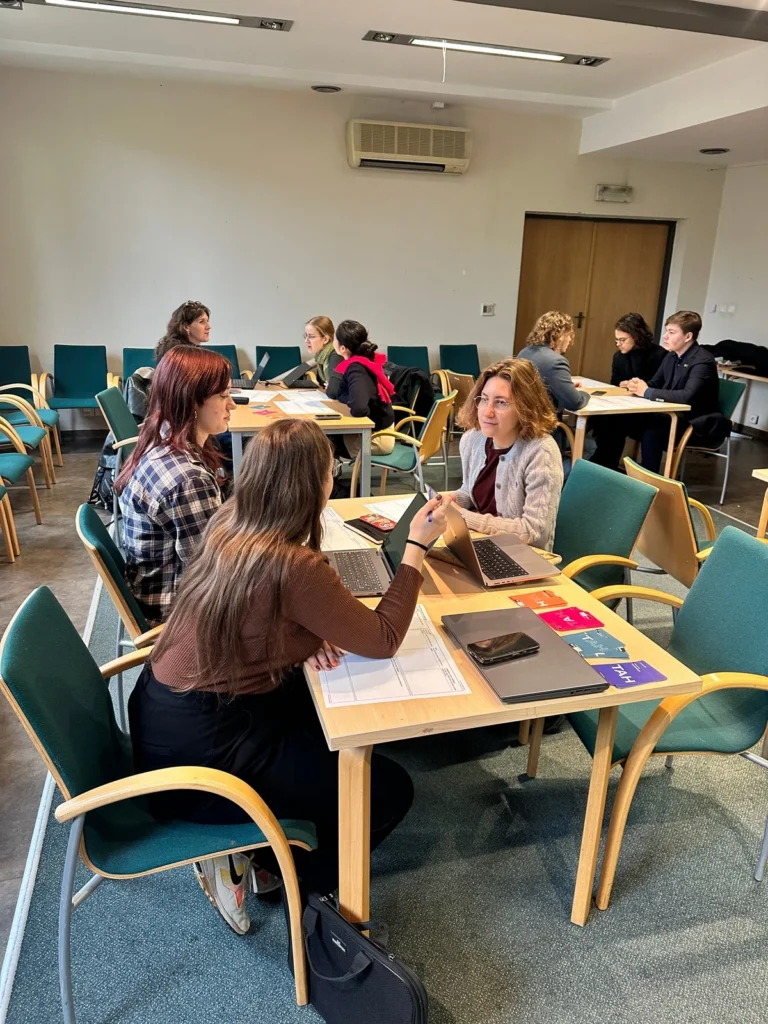
Facilitated inquiry around a real challenge.
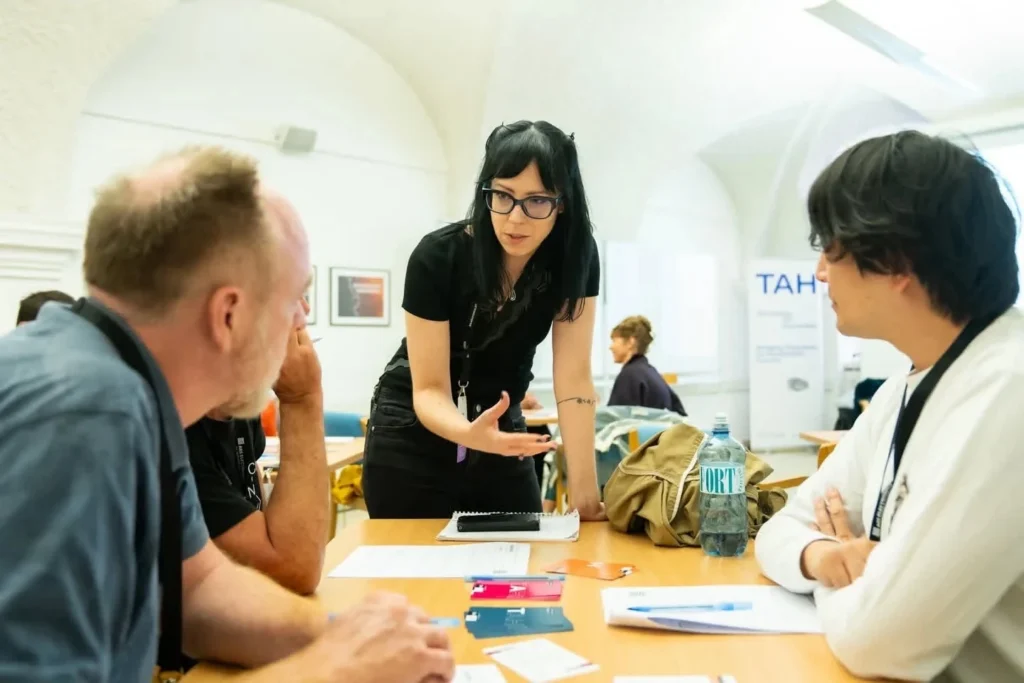
Different questions, shared discussion and a clearer project brief.
From an initial idea to your next step.
A facilitated process combines individual reflection and work with others. Technological, artistic, humanities and social-science approaches can change the brief itself, the methods you use and the criteria for making decisions.
01
Define your challenge
Clarify the situation, your assumptions and a decision you can still influence.
02
Open up perspectives
Use TAH Cards and questions from others to explore possibilities and what you may be overlooking.
03
Explore with TAH Prism App
Consider perspectives tailored to your brief. Assess their relevance and what needs further exploration.
03
Shape your next step
Record your refined value proposition, impact assumptions and the next test or conversation needed to develop them.
Two tools for exploring your challenge.
TAH Cards open questions for shared inquiry. TAH Prism App develops perspectives around your specific brief. Both support reflection and discussion throughout the workshop.
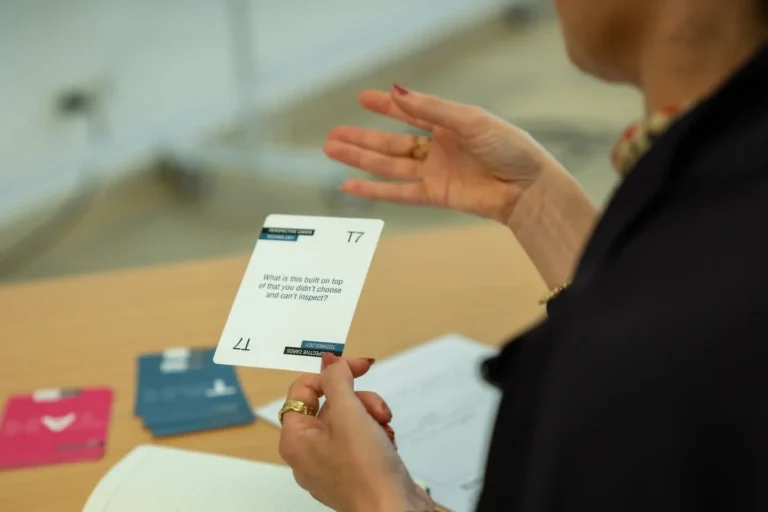
TAH Cards
Questions that call for different kinds of knowledge
TAH Cards open questions that call for technological, artistic, cultural and societal knowledge to answer. Use them to examine assumptions, reveal connections and start a conversation about your challenge.
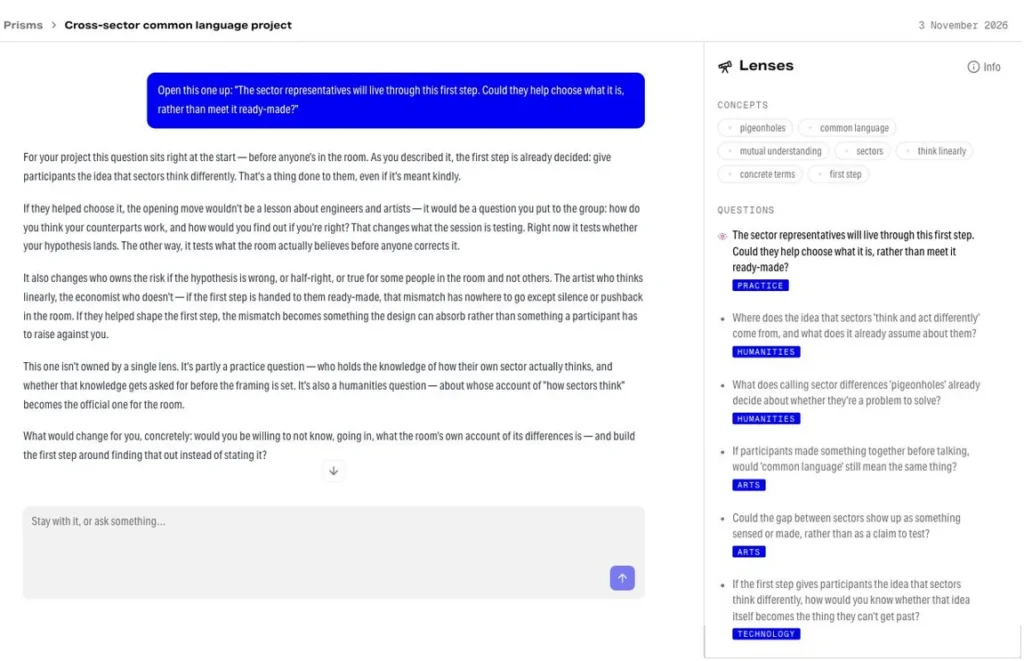
TAH Prism App
Perspectives tailored to your brief
The AI-supported app generates perspectives tailored to your specific brief and guides you through different angles on your topic. It does not claim authority or decide on a solution for you. You assess what is relevant, what needs checking and what to do next.
Meet the artist and facilitator
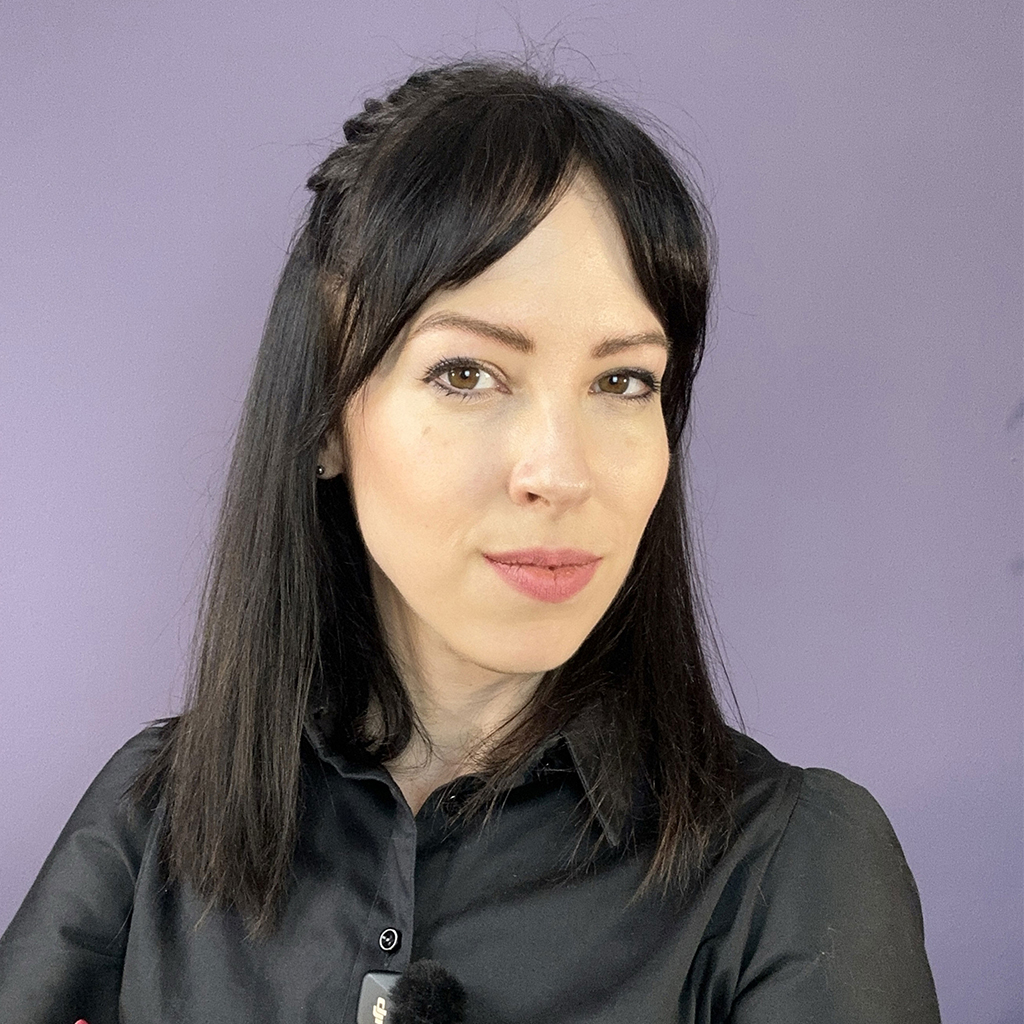
Lenka Hámošová
Facilitator
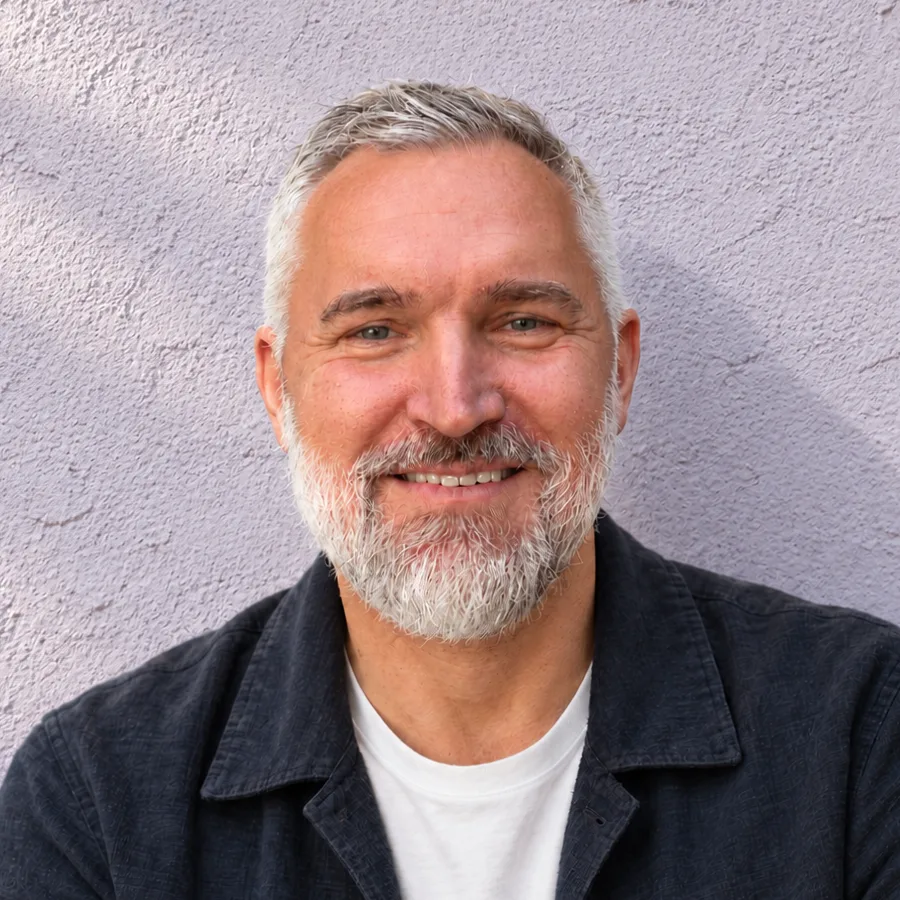
Marcel Kraus
Facilitator
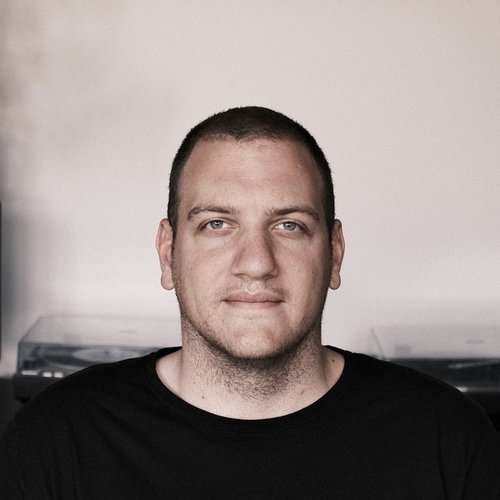
Ilja Panić
TAH Prism developer
Practical questions
How long is the workshop, and how many people can take part?
One focused, facilitated session lasts 120+ minutes and is designed for 15–20 participants.
Do we need our own project, or can you adapt the workshop?
We can work on participants’ own projects, one shared team challenge or prepared cases for a conference audience. We adapt the topic and balance of individual and group work to your aims.
What do we agree before the workshop?
The topic, language, venue, devices, technical arrangements and fee. We also agree how to communicate with your group before the workshop, including preparation guidance.
Do we need experience with AI?
No. We introduce TAH Prism App during the workshop. Depending on the agreed format, you can work on your own devices or share devices such as notebooks, tablets or smart phone.
Is using the AI app safe and appropriate?
TAH Prism’s use of a large language model (LLM) is guided by purpose-designed prompts and curated reference material. It supports critical reflection: you remain responsible for checking outputs and making decisions.
Signing in uses an email link. The text you submit is processed by AI to generate perspectives, and the service also handles account and session information. The administrator can not see your submitted topic.
What value could your project create?
Tell us who the workshop is for, what you want to develop and the value or impact you hope to create.
