AI DAYS 2026: AI on Our Terms

Artists and Creatives Respond

From Lived Experience to Policy Recommendations

What should AI look like if artists and creatives were in the driving seat?

This workshop shifts the conversation from how creative practitioners should adapt to technologies developed elsewhere to how they can shape the development and use of AI themselves.

Date

Tuesday, 3 November 2026 | 18:00–20:00

In a World Café format, people working creatively with images, sound and narratives will explore the fears, hopes and real-world experiences – positive and negative – specific to their practices. Together, they will turn these experiences into needs, principles and conditions that should guide AI in the cultural and creative sectors.

TAH Centre and Alliance CAI invite participants to identify shared priorities for AI developers, policymakers and other stakeholders, and formulate an initial action agenda. The outcomes will contribute to broader European research and recommendations intended to strengthen the agency of artists and creatives in shaping the future of AI.

What You’ll Gain

Define what AI should do for your practice

Turn your experiences, concerns and hopes into concrete needs, principles and conditions for its development and use.
Learn from other creative perspectives

Explore where experiences across practices overlap and where their needs differ.
Help shape recommendations and next steps

Contribute to shared priorities for AI developers, policymakers and other stakeholders, and an initial agenda for action

Facilitators

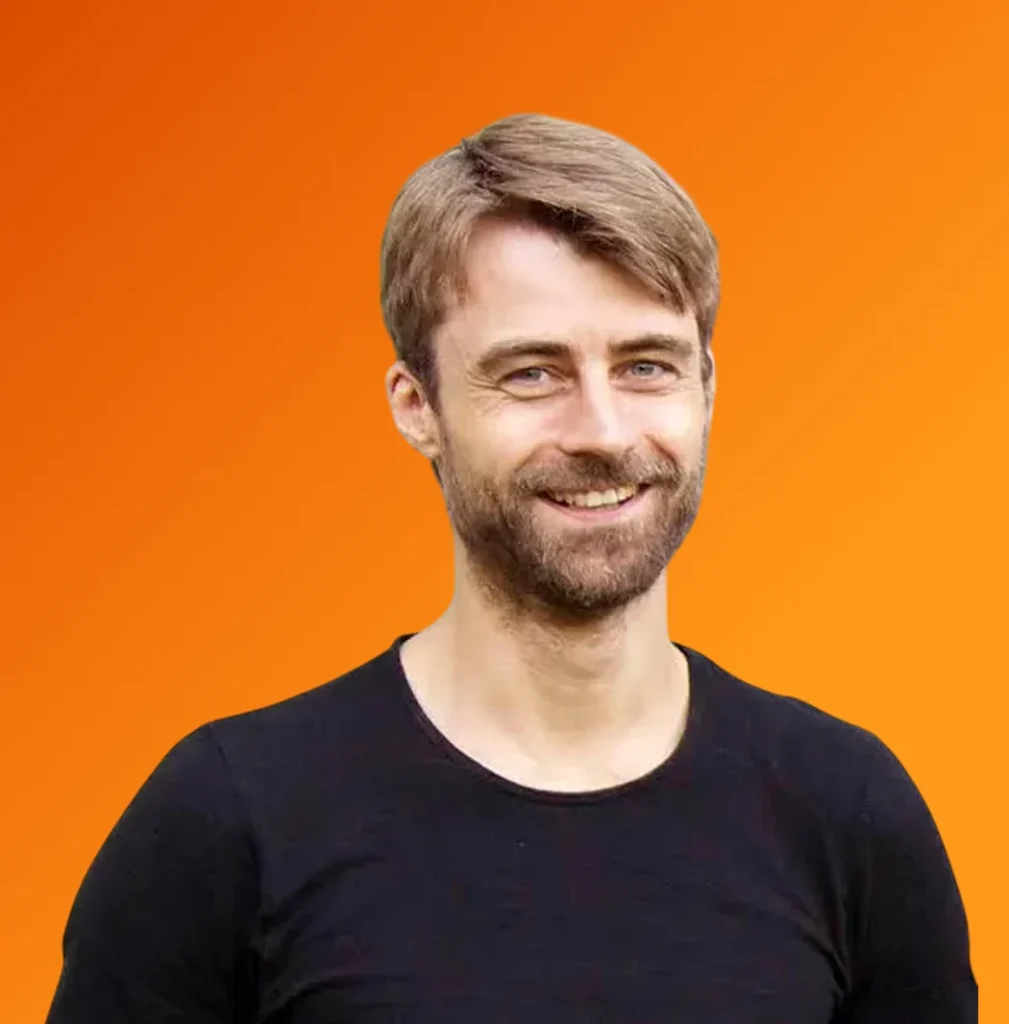
Lenka Hámošová

TAH Centre

Designer, educator and researcher exploring how AI reshapes creativity, cognition and human agency. She is a co-founder and executive board member of TAH Centre, where she develops interdisciplinary education. Through Creative AI Workflows, she creates courses, workshops and tools for working with AI without giving up authorship or critical judgement.

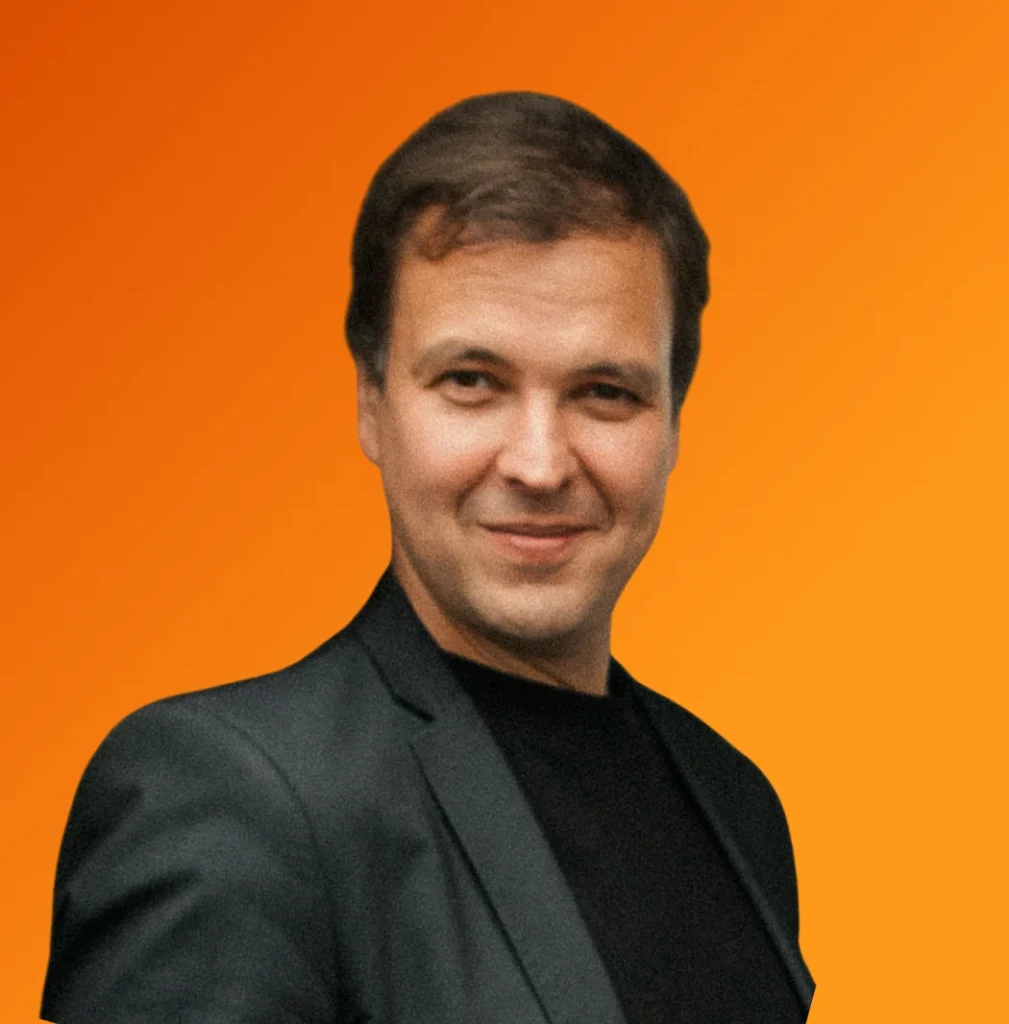
Klaus Speidel

AIT Austrian Institute of Technology

Klaus Speidel is a Vienna-based philosopher, curator and art critic. At AIT, he leads artloop, a programme connecting art with research and innovation. He explores the relationship between generative AI and art and teaches at the University of Applied Arts Vienna.

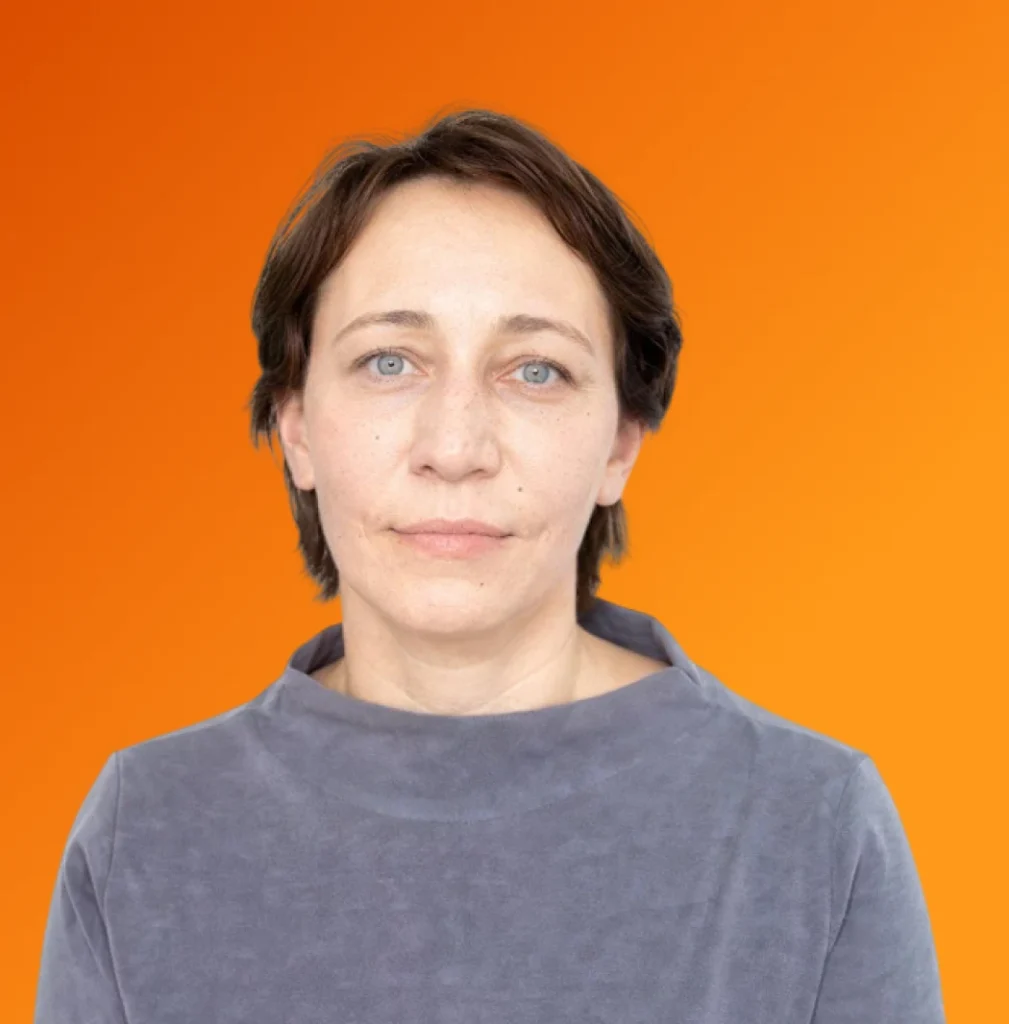
Alexey Steblev

Alliance for Culture & AI

Cultural executive, musician and entrepreneur, and a co-founder of Vienna-based CultTech Association and Alliance for Culture & AI. His work connects cultural institutions, technology and international collaboration.

Anastasia Bonch-Osmolovskaya

Alliance for Culture & AI

Vienna-based linguist and digital humanities specialist. She designed educational programmes at CultTech Association and co-founded the Alliance for Culture & AI, working across education, culture and technology.

How the outcomes will be used

Participants’ experiences and proposals will feed into a broader pan-European research process and the development of policy and technology recommendations. The aim is to strengthen the ability of artists and creatives to influence how AI is developed and used in the cultural and creative sectors.

Event Details

  • Language: English
  • Admission: Free; registration required
  • Capacity: Up to 30 participants
  • For people working creatively with images, sound and narratives. 
  • Bring a smartphone with internet access.

Organisers and partners

Presented by TAH Centre, Alliance CAI and AIT Austrian Institute of Technology in collaboration with Signal Space and prg.ai, as part of AI Days 2026 and its theme “Tested on Humans”.

Alliance for Culture & AI is a public platform for dialogue, responsible innovation and collaboration at the intersection of culture, artificial intelligence and society. Operated by a Vienna-based non-profit organisation, it brings people across sectors together to turn shared questions into common priorities and action.


AIT Austrian Institute of Technology is Austria’s largest non-university research organisation. In collaboration with businesses and public institutions, it develops technologies for energy, transport, health and digitalisation. Its aim is to translate research findings into innovations that benefit society and the economy.